Core Pillar 01
Mechanical CAD & Product Development
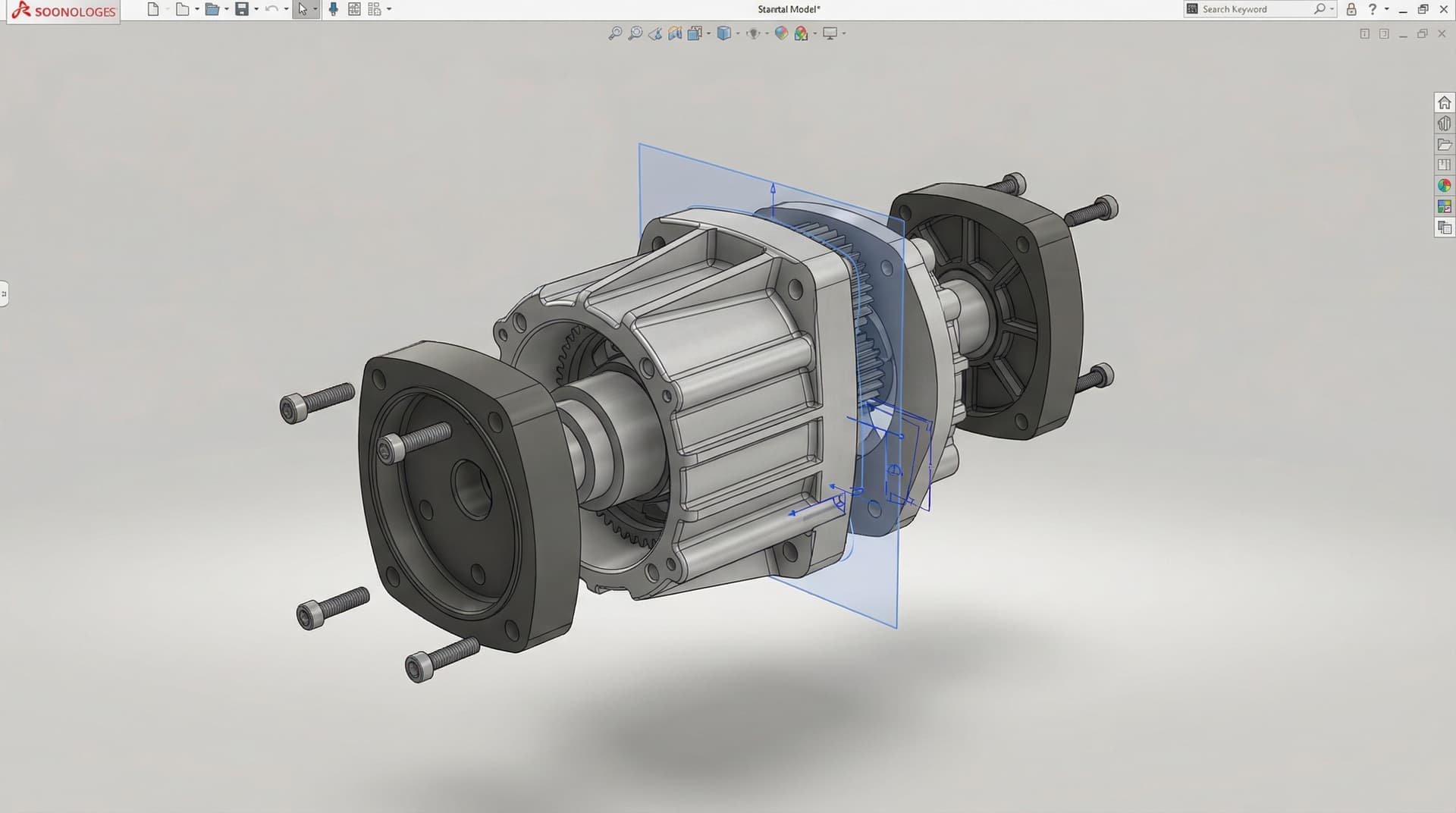
Mechanical CAD design for hardware teams in India and abroad. YantriX develops parametric models, production drawings and DFM-ready part designs.
YantriX is an India-based engineering studio supporting hardware startups, product companies and machine builders through defined engineering workstreams and remote collaboration.
Hardware engineering from requirements to working prototype.
Our comprehensive, multidisciplinary hardware engagement model. Rather than contracting isolated CAD or prototyping steps, YantriX can support multidisciplinary product-development programs across requirements, engineering, prototyping, integration and validation based on the agreed scope.
Engage YantriX for specific engineering deliverables—from mechanical SolidWorks CAD models and autonomous ROS 2 robotics to functional 3D printed prototypes.
Core Pillar 01
Mechanical CAD design for hardware teams in India and abroad. YantriX develops parametric models, production drawings and DFM-ready part designs.
Core Pillar 02
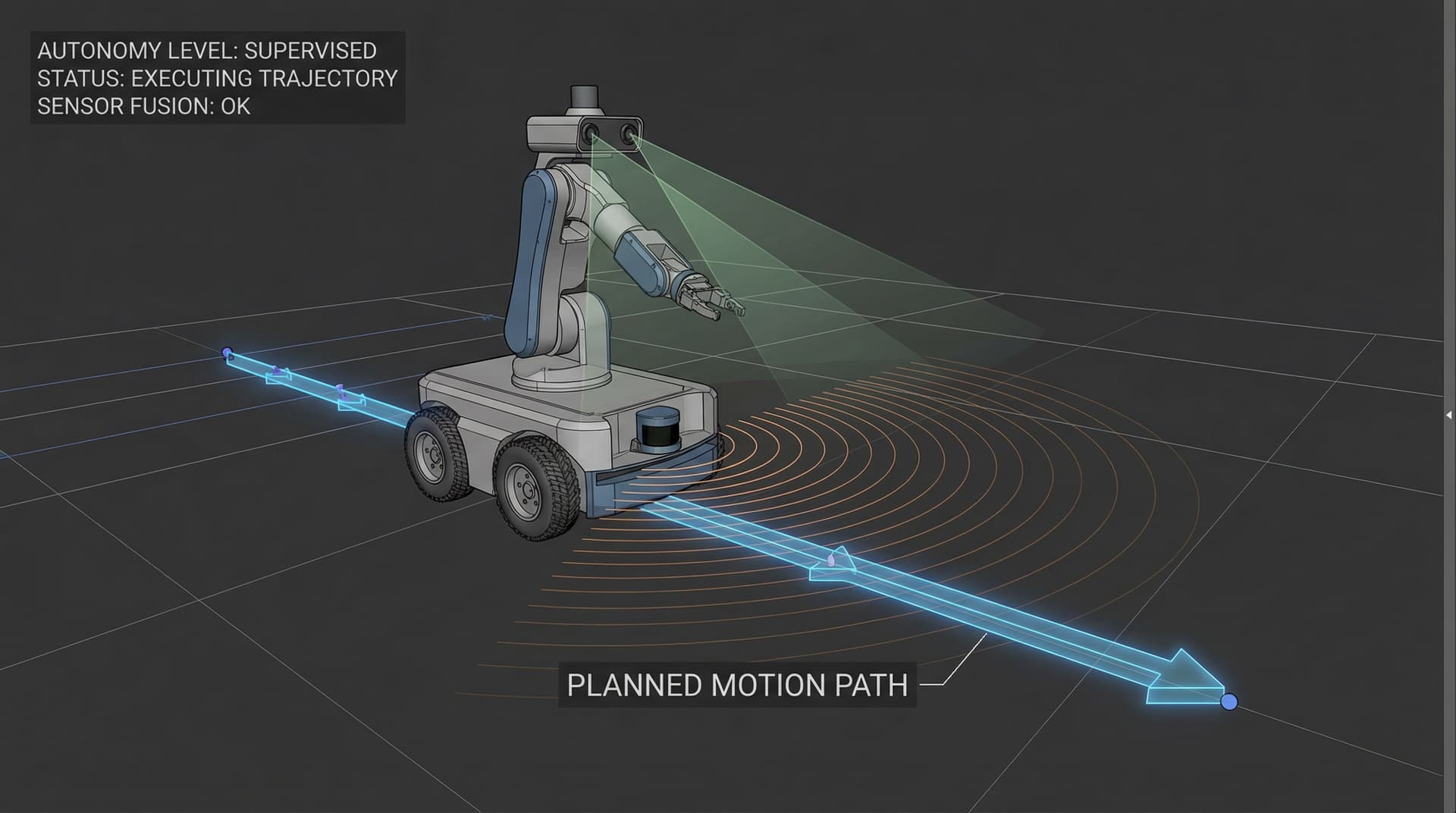
Robotics development for hardware teams in India and abroad, spanning ROS 2 architecture, navigation, manipulation and mechatronic integration.
Core Pillar 03
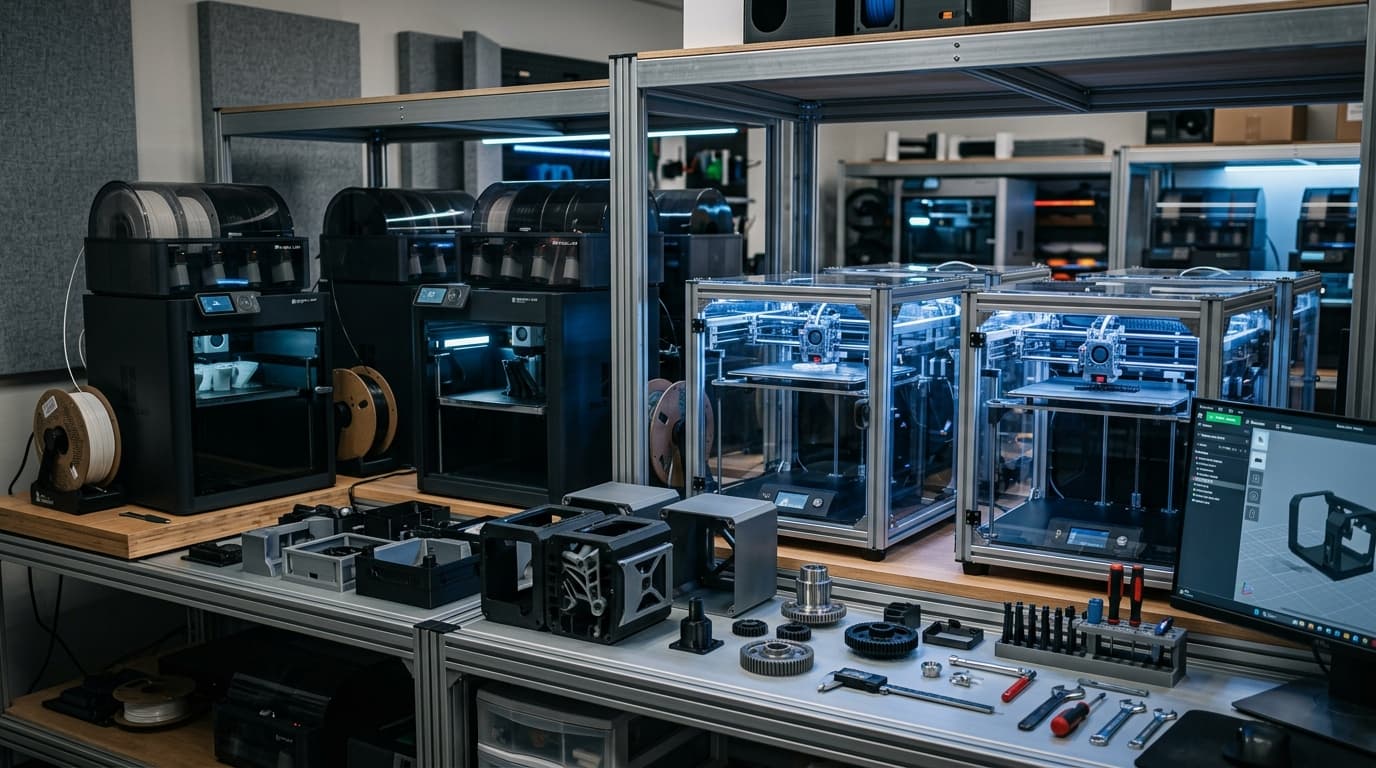
Industrial 3D printing in India for OEMs, manufacturers and robotics teams: in-house FDM and SLA prototyping, functional polymer parts, DfAM review and low-volume production enquiries. Specialist SLS can be coordinated with partners where needed.
Explore the dedicated service pages for scope, tools, deliverables, and project examples.
Mechanical CAD & Product Development
We deliver end-to-end CAD design services in India: parametric 3D modeling in SolidWorks and Fusion 360, surface modeling for consumer products, sheet metal design with K-factor calculations and flat-pattern drawings, plastic injection molding parts (draft, parting lines, shrinkage compensation), DFM (Design for Manufacturing) review of existing designs, reverse engineering from physical samples or 2D drawings, and 2D production drawings (GD&T, tolerances, BOM, manufacturing notes) for vendor handoff. We support client teams at every stage from sketch through tooling release.
Robotics Engineering & Autonomous Systems
We deliver robotics engineering services in India across mechanical, mechatronic, embedded control, ROS 2, and perception workstreams based on project scope: ROS 2 system architecture (Humble / Jazzy), Nav2 autonomous navigation with LiDAR / visual SLAM, MoveIt arm manipulation and grasp planning, custom AGV / AMR mechanical design with skid-steer or differential drive, drive-train selection and motor sizing, ESP32 / Jetson embedded controller integration, vision-guided perception pipelines, and mechatronic integration across mechanical, electrical, and software subsystems. Engagements run from focused subsystem work (e.g. SLAM tuning on an existing platform) through ground-up custom robot programs. We deliver source code, simulation environments (Gazebo / Isaac Sim), commissioning support, and engineering documentation the client team can own.
Industrial 3D Printing & Functional Prototyping in India
We deliver engineering-led rapid prototyping and 3D printing services in India for hardware startups, robotics developers, and product teams. Our workflow bridges digital CAD and physical validation across structured stages: (1) Requirement & CAD Intake (share specifications via our inquiry form; CAD files coordinated after inquiry review; NDA requirements can be discussed before confidential files are exchanged); (2) DfAM & Engineering Review (evaluating wall thickness, orientation, support strategy, and assembly fits where scoped); (3) Material Selection (selecting from supported engineering thermoplastics, composites, or resins based on application); (4) Prototyping Fabrication (in-house FDM and SLA resin systems at our Surat studio, with partner-supported SLS or CNC machining where required); (5) Post-Processing & Assembly (heat-set insert installation and basic prototype assembly where included in scope); and (6) Basic Verification & Handoff (basic dimensional and fit checking before coordinated studio pickup or courier delivery).
Deep technical capabilities in finite element analysis (FEA), computational fluid dynamics (CFD), embedded electronics packaging, and computer vision that directly support our hardware and robotics programs.
Computer vision & robotics perception
End-to-end vision pipelines for robotic perception, manipulation, and industrial quality inspection — tightly integrated with our ROS 2 stack.
Simulation services
Finite Element Analysis services for stress, deformation, vibration-focused assessment, and design iteration on real mechanical hardware.
Thermal and flow simulation
Computational Fluid Dynamics services for airflow, heat transfer, pressure behaviour, and cooling studies on enclosures and product hardware.
Embedded Systems & Electronics
Embedded system architecture, controller selection (ESP32, STM32, Jetson), power management, and seamless 3D PCB-to-enclosure mechanical integration for robotics and hardware products.
Applied AI & Computational Exploration
Specialized computational methods supporting physical systems—including physics-informed surrogate modeling, on-device edge AI inference on NVIDIA Jetson/microcontrollers, and sensor intelligence.
Edge AI & embedded intelligence
Edge AI & Embedded Intelligence→
ML that runs on-device — custom PCBs, microcontrollers, and edge compute modules with quantized models, firmware integration, and hardware-accelerated inference.
ML-accelerated simulation & design
ML-Accelerated Engineering→
Neural-network surrogates for FEA/CFD, generative design exploration, and physics-informed models that make engineering iteration dramatically faster.
Edge AI & Perception
Edge AI & Machine Learning for Robotics & Hardware→
Production-grade computer vision, edge AI models, and sensor perception for robotics, automation, and physical hardware. Optimized on NVIDIA Jetson, TensorRT, and embedded platforms.
We keep the process straightforward so clients know how the work moves from scope definition to useful delivery.
Step 1
We define the engineering targets, physical constraints, operating environment, and deliverables, with NDA coordination available where required before confidential CAD/IP exchange.
Step 2
We execute parametric CAD modeling, FEA/CFD simulation, embedded PCB packaging, or ROS 2 system development.
Step 3
We fabricate physical validation prototypes in our in-house 3D printing studio and refine designs based on test results.
Step 4
Deliverables are scoped per project and may include native/neutral CAD source files, 2D manufacturing drawings prepared using ASME Y14.5 GD&T practices, verified firmware, or manufacturing documentation.
The service mix is relevant to product teams working across mechanical systems, automation, electronics packaging, and prototype validation.
Engineering support adapted to real constraints in robotics & autonomous systems programs.
Engineering support adapted to real constraints in industrial machinery & automation programs.
Engineering support adapted to real constraints in iot devices & sealed enclosures programs.
Engineering support adapted to real constraints in uav & drone hardware programs.
Engineering support adapted to real constraints in consumer & commercial products programs.
These are the reasons clients use YantriX for simulation, mechanical design, robotics, and prototype-driven product work.
Point 1
Multidisciplinary engineering capabilities spanning mechanical CAD, simulation, embedded electronics, ROS 2, and prototyping
Point 2
In-house 3D printing studio for fast physical validation and rapid iteration loops
Point 3
Remote engineering collaboration with structured milestone reviews and shared CAD packages
Point 4
Strict IP confidentiality with NDA coordination available before confidential technical information is exchanged
Point 5
Production-ready deliverables tailored to scope: parametric feature trees, 2D drawings prepared using ASME Y14.5 GD&T practices, and documented firmware
Selected client work, YantriX R&D, and engineering studies with their scope clearly identified.
Robotics · Manipulator Kinematics & DFM
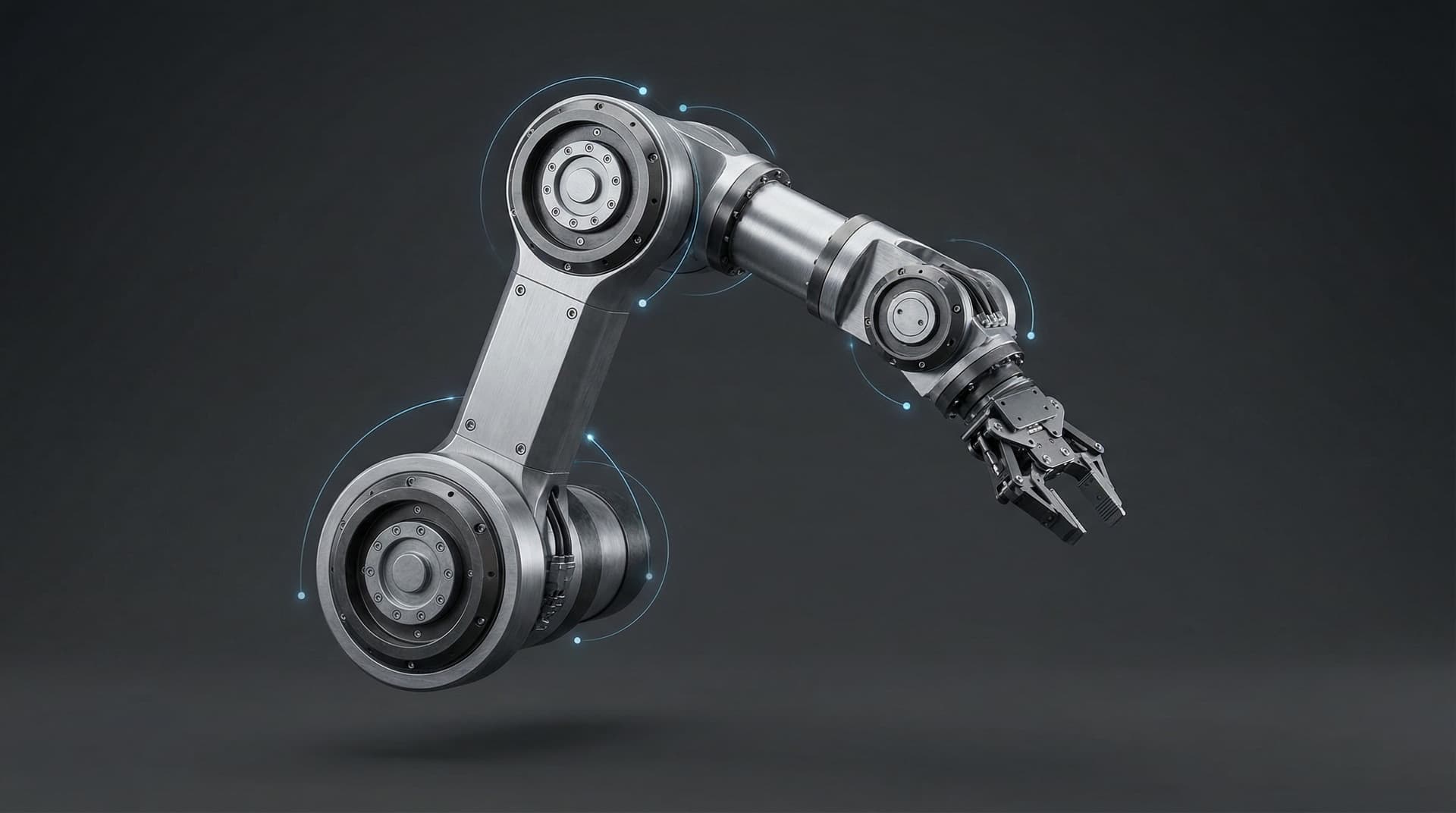
Mechanical architecture, cycloidal joint packaging, kinematic clearance checking, and machining DFM for a compact 6-DOF teleoperated manipulator arm.
Robotics · Autonomous Mobile Robot (AMR)
In-house engineering development of an 80 kg payload AMR platform—custom skid-steer steel chassis, ROS 2 Humble Nav2 autonomy, LiDAR SLAM, and embedded motor control.
3D Printing · Functional Prototyping & DfAM
In-house functional prototyping program evaluating joint stiffness, heat-set brass insert installation, and TPU compliant seals for a robotic actuator housing using engineering polymers.
Clear answers help reduce friction before scoping, quoting, and technical kickoff.
Usually a 3D CAD model, concept sketch, reference dimensions, or an engineering requirement specification is enough to begin. We establish missing details during technical scoping, with NDA coordination available before confidential technical exchange.
We work with clients across India and international markets through coordinated secure file sharing, structured 3D CAD design reviews, milestone demos, and scheduled check-ins.
Yes. An NDA can be coordinated before confidential technical information, proprietary product designs, CAD files, or codebase repositories are exchanged where required.
We use industry-standard software: SolidWorks, ANSYS Fluent/Mechanical, ROS 2 (Humble/Jazzy), Nav2, MoveIt 2, PyTorch, TensorRT, KiCad, and Orca Slicer.
Tell us what you are building, what stage you are in, and which engineering problem needs attention first.