YYantrix
Structural analysis

Reduced structural failure by 32% using FEA simulation, case study.

This case study covers how YantriX used simulation-driven design to identify stress concentration areas, reduce deformation under load, and improve bracket reliability before manufacturing.

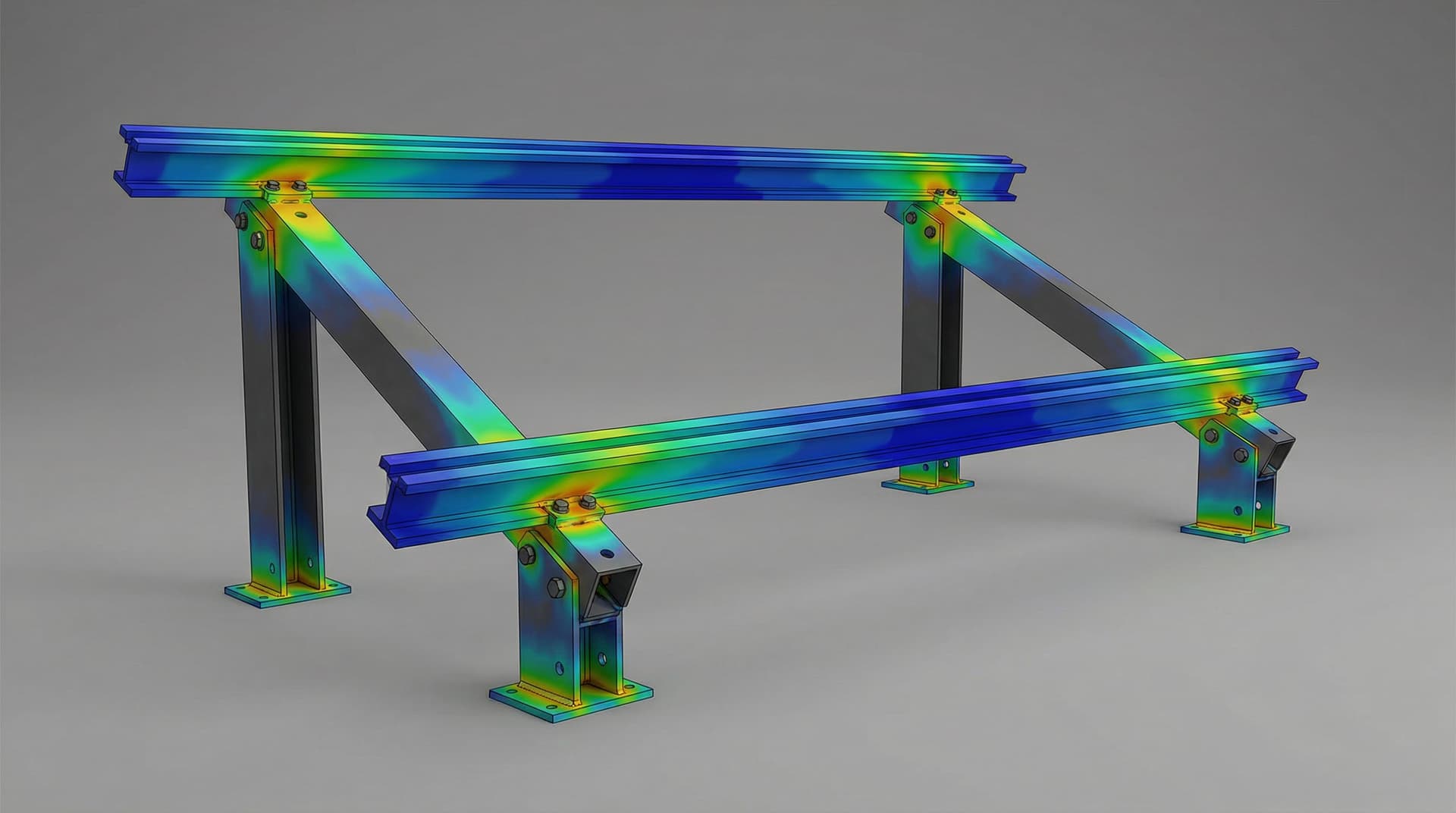
FEA stress plot for an industrial mounting bracket

Overview

Why this study matters

YantriX Technologies helped an industrial equipment client reduce structural failure risk in a load-bearing bracket through FEA-led design optimization.

Project Type: Structural Analysis (FEA)

Industry: Industrial Equipment

Service Used: FEA + Design Optimization

Objective

What the project needed to achieve

  • Identify stress concentration areas
  • Reduce deformation under load
  • Improve overall structural strength
  • Minimize redesign and prototyping cycles

Challenge

Engineering constraint

The client was developing a metal mounting bracket used in an industrial assembly. During physical testing, the part showed excessive deformation under load, high stress concentration near joints, and a real risk of early failure during operation. That increased prototyping cost, delayed development, and reduced confidence in long-term reliability.

Deliverables

What the client receives

  • Stress plot and structural analysis report
  • Deformation result summary
  • Updated CAD model with optimized bracket geometry
  • Design recommendations for manufacturing release

Visual results

Key simulation and design views

Stress plot showing high-stress regions in the bracket design

Stress plot

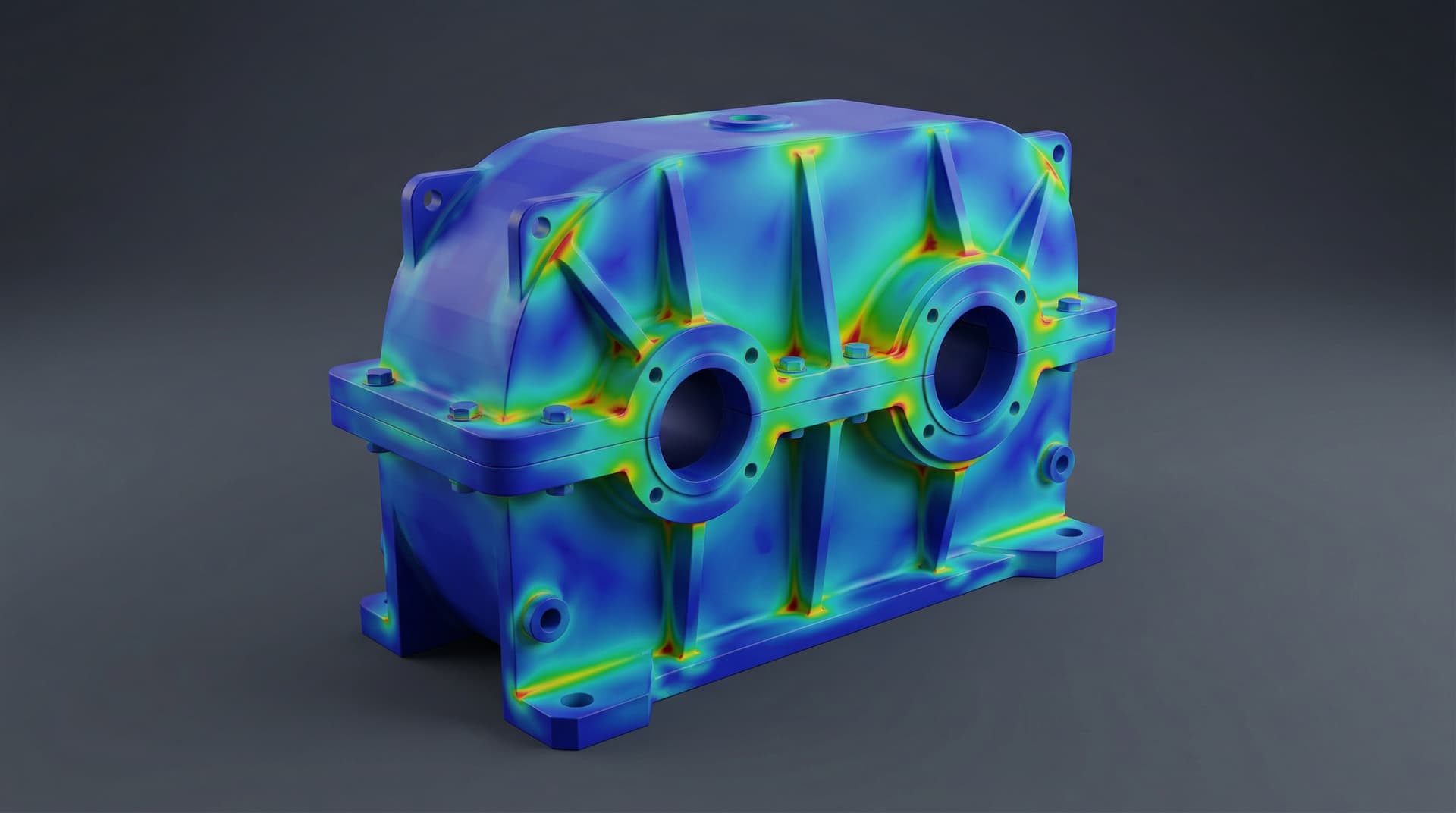
Deformation result from FEA simulation of the bracket

Deformation result

Before and after bracket design comparison after optimization

Before vs after design

Approach

How Yantrix approached the work

  • Imported the CAD model, cleaned the geometry for simulation, and applied material properties before running the analysis.
  • Defined real-world loading conditions and applied constraints based on how the mounting bracket is actually used in the assembly.
  • Performed static structural analysis to identify stress distribution and deformation zones across the load-bearing geometry.
  • Modified fillets, thickness distribution, and support structure to reduce stress concentration and then re-ran the simulation for validation.

Outcome

What improved by the end

  • 32% reduction in maximum stress
  • 25% reduction in deformation
  • Improved load distribution
  • Increased component reliability
  • Reduced need for multiple physical prototypes

Tools used

  • ANSYS
  • SolidWorks

Impact

  • Faster product development cycle
  • Lower prototyping costs
  • Increased confidence in design performance
  • Improved durability in real-world conditions

Conclusion

By leveraging simulation-driven design, YantriX enabled the client to achieve a more robust and efficient component without extensive trial-and-error testing.

Next step

Need to validate your design before manufacturing? Get in touch with YantriX Technologies to reduce failure risks and optimize product performance.

Let's build

Have a machine to build? Let's scope it together.

Tell us about your project. We'll respond within 1–2 business days with a preliminary scope and timeline — no boilerplate, no up-sell.