What a digital twin actually is (and isn't)
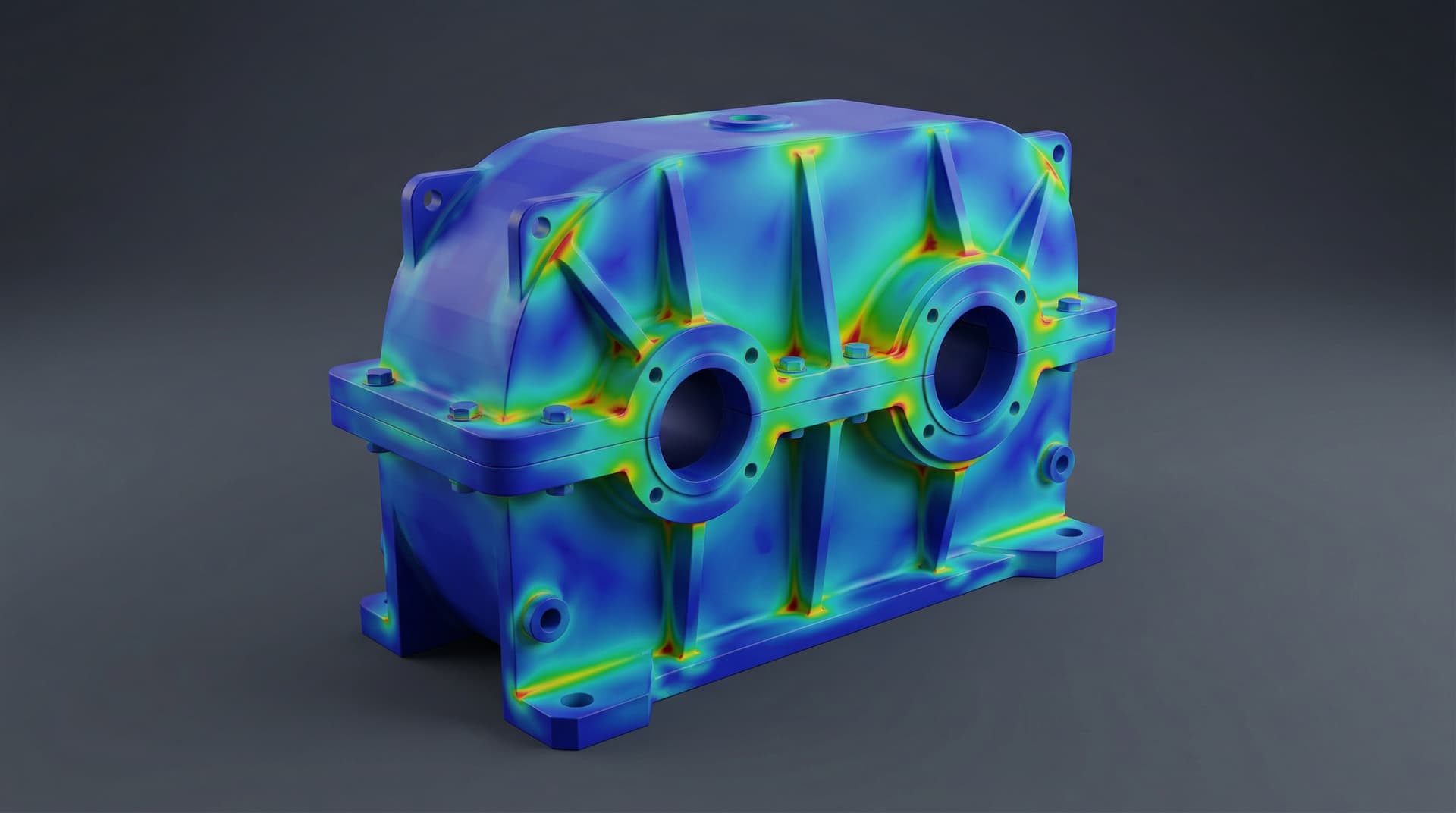
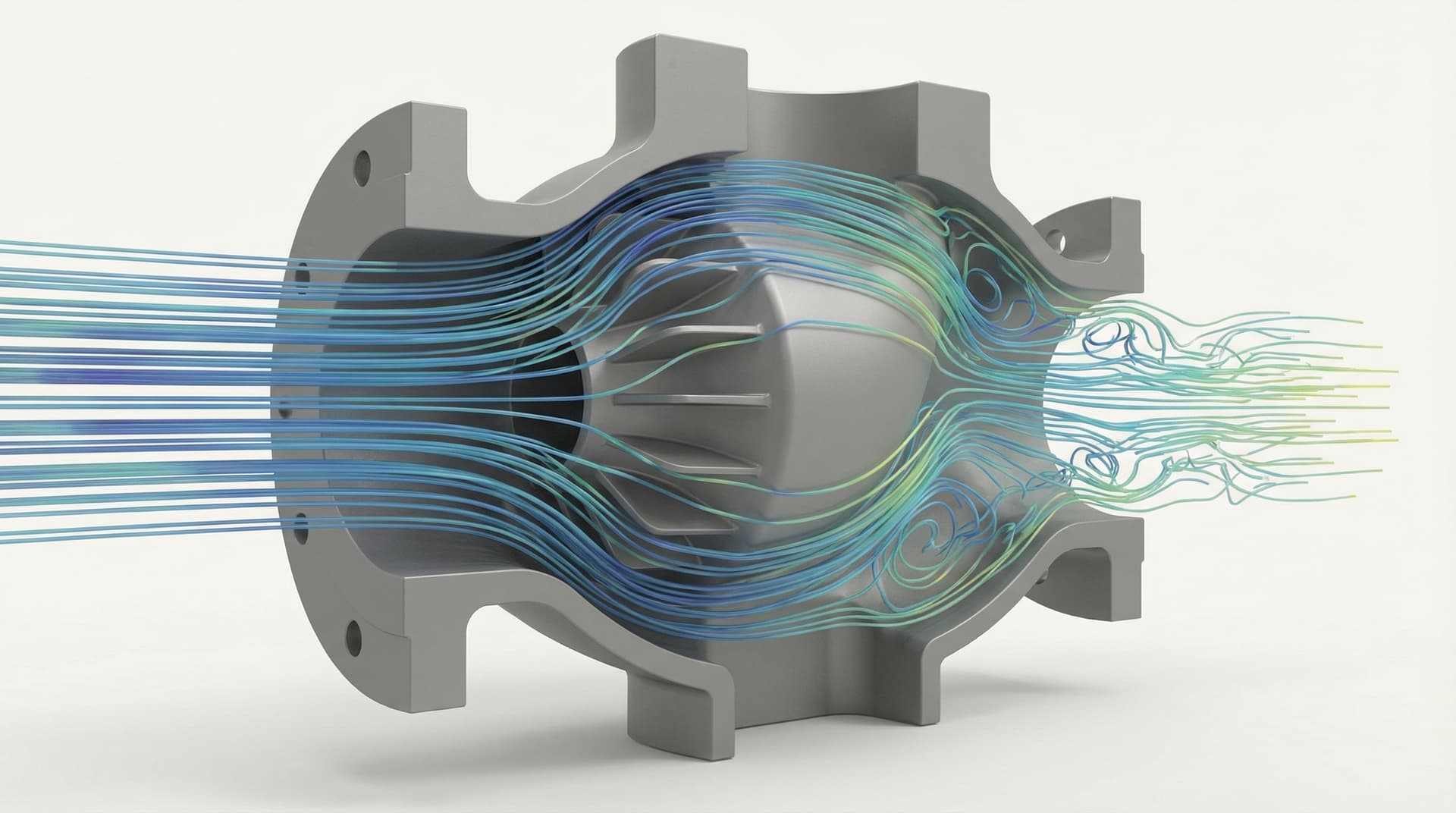
A digital twin, in the engineering sense, is a physics-based model of a physical asset that's continuously updated by live sensor data and used to predict behavior or close a control loop. The model is the part everybody underweights. A 3D viewer with IoT data overlaid is not a digital twin — that's an IoT dashboard with extra cost. A simulation that ignores live data is not a digital twin either — that's just FEA or CFD. The 'twin' is the physics-data coupling.
Where digital twins pay back in Indian manufacturing
Four use cases where the math works out: (1) Predictive maintenance on capital-intensive rotating equipment (turbines, compressors, large pumps) where unscheduled downtime costs ₹5–50 lakh per incident. (2) Process optimization on continuous operations (chemical reactors, kilns, large furnaces) where 1 percent yield is worth ₹2–10 crore annually. (3) Energy management on high-draw plants where load forecasting moves the bill. (4) Operator training and what-if planning on hazardous or hard-to-reproduce processes. Outside these four, the ROI math is hard to make work.
The integration stack — what's hard and what's commodity
Commodity layers: edge gateways (Raspberry Pi, Moxa, Siemens IOT2050), MQTT brokers, time-series databases (InfluxDB, TimescaleDB), Grafana dashboards. These are now cheap, well-documented, and have Indian system integrators in every major city. The hard layers: the physics-based model itself (FEA, CFD, lumped-parameter dynamics), the data-assimilation routine that updates model state from sensor readings (Kalman filter, particle filter, or learned surrogate), and the validation regime that proves the twin matches reality over time. 70 percent of a twin program's cost lives in the hard layers.
ML-accelerated twins — where the puck is going
Full-fidelity FEA or CFD typically can't run in real time, so classical digital twins use reduced-order models (POD, PGD, or hand-derived state-space approximations). Increasingly, ML surrogates trained on offline simulation data replace those reduced-order models — same accuracy, 100–1,000× faster, easier to embed on a gateway. For Indian programs starting in 2026, planning for an ML-surrogate layer from day one is the right default. We covered the surrogate FEA workflow in detail in our ML surrogate FEA blog.
What it costs in India in 2026
Pilot digital twin on one asset, one decision loop, commodity IoT layer with a hand-crafted physics model: ₹15–35 lakh, 4–6 months. Production deployment across 5–20 similar assets with model templating and dashboarding: ₹40 lakh–1.2 crore, 8–12 months. ML-surrogate-accelerated twin with active-learning training: ₹50 lakh–1.5 crore, 9–15 months. Maintenance and model retraining: 15–25 percent of program cost per year. Indian engineering teams typically deliver this at 35–55 percent of comparable EU/US programs.
Working with YantriX on digital-twin programs
We deliver digital twin programs that combine FEA / CFD modeling, ML surrogates, edge IoT integration, and dashboard delivery — for Indian and international clients. Engagements start with a one-asset, one-decision pilot to prove the ROI math before scaling. Send us the asset, the decision you want to inform, and the sensors you already have; we'll come back with a phased scope within a business day.