When an ML surrogate is the right tool
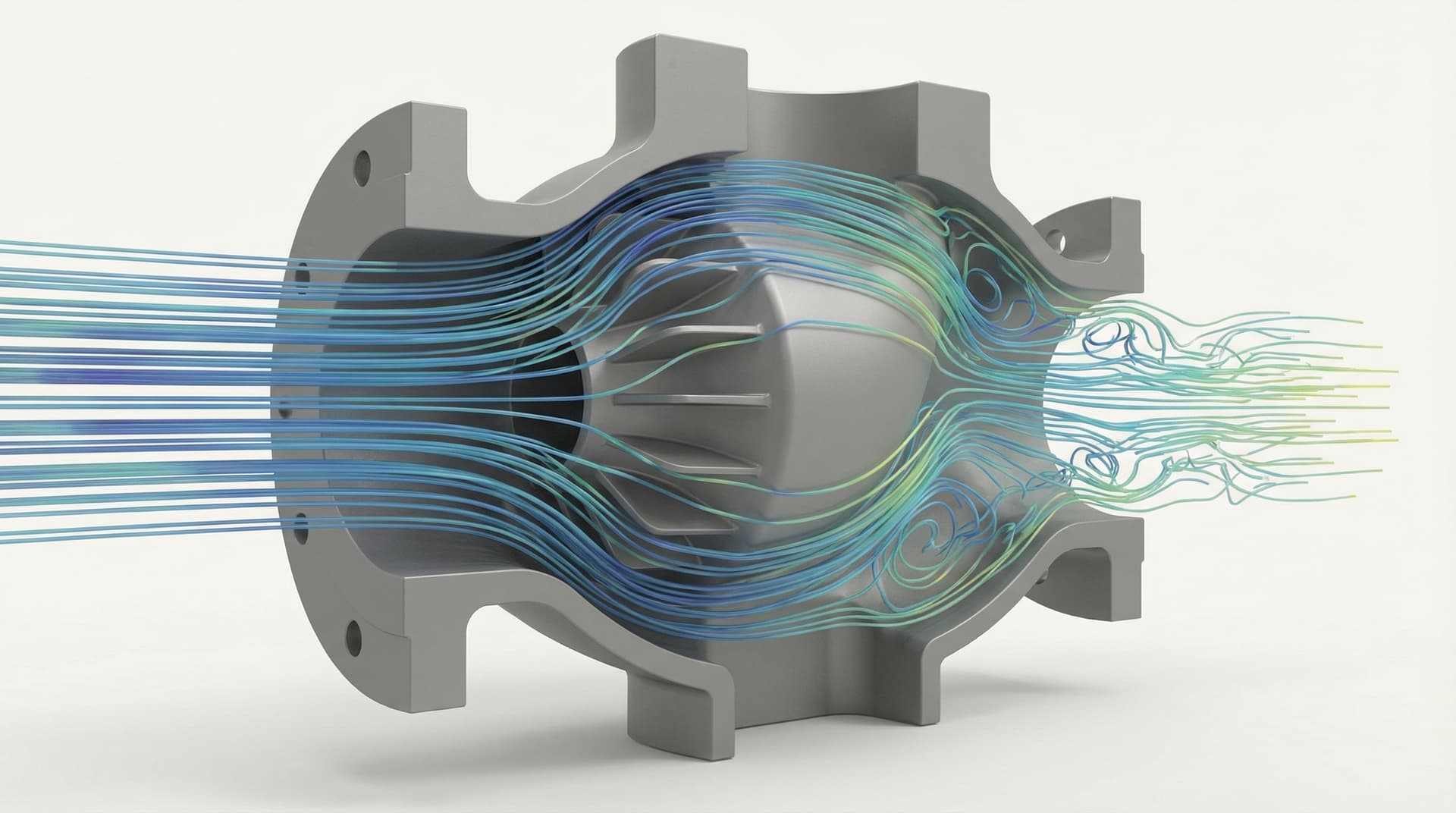
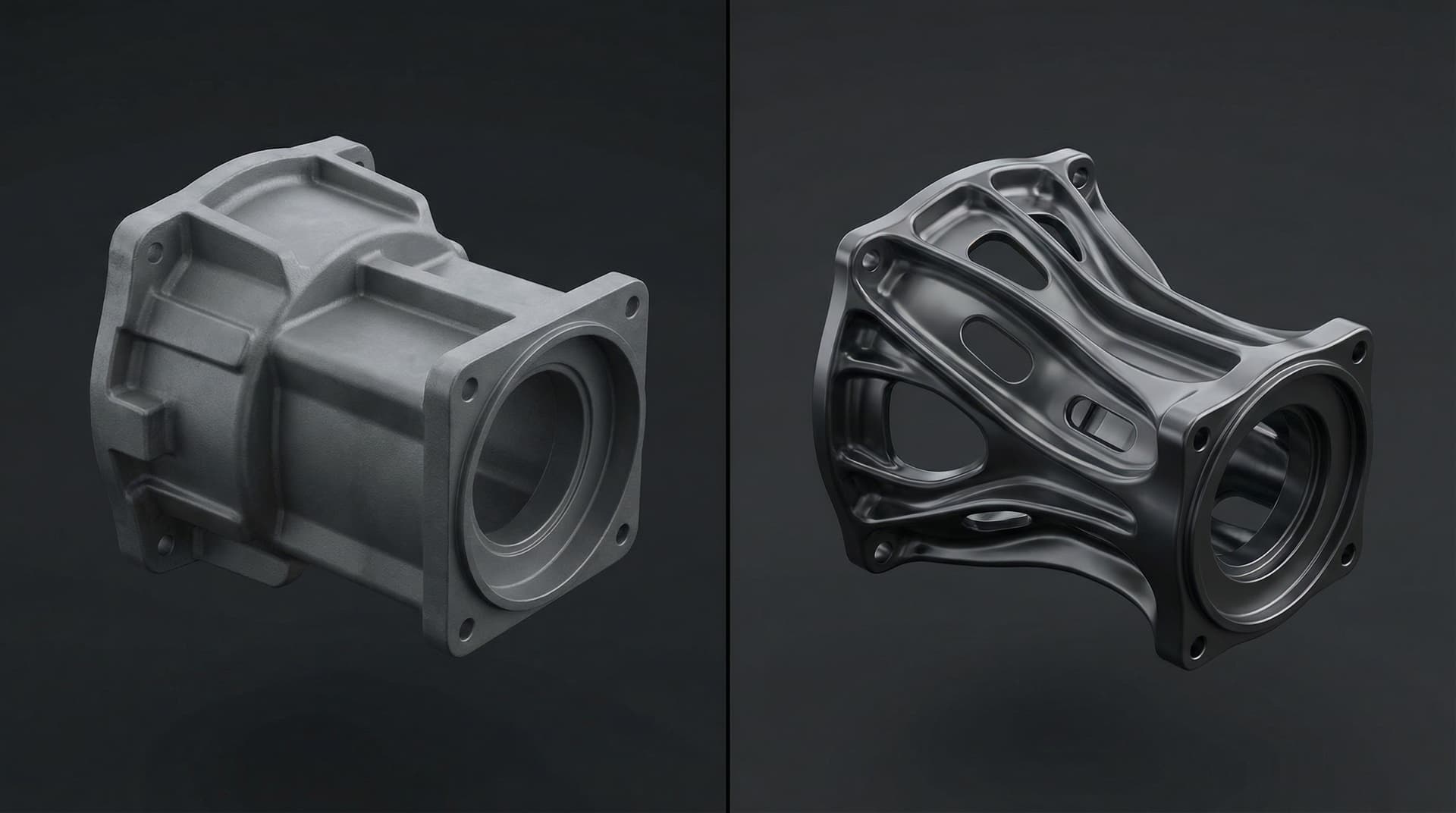
Surrogates win when you're running many similar solves over a parametric design space — bracket geometry studies, frame topology exploration, heat-sink fin geometry, manifold flow paths. They lose when the geometry varies wildly or the boundary conditions change between solves. Rule of thumb: if you're running >500 ANSYS solves on the same family of geometries, a surrogate pays back; if you're running 20 solves on completely different parts, just keep using ANSYS.
Active-learning the training set — the core trick
Don't sample the parameter space uniformly. Use active learning: train on a small initial set, predict on the full space, identify regions where the model is uncertain, run ANSYS on those, retrain. After 5-7 iterations the model converges with 5-10x less ground-truth data than uniform sampling. This is the difference between 12,000 ANSYS runs and 80,000 ANSYS runs for the same surrogate quality.
Model choices — PINNs, GNNs, and when each wins
Physics-informed neural networks (PINNs) work well when you have governing equations to constrain the model — heat transfer, simple structural mechanics. Graph neural networks (GNNs) work well when mesh topology matters — irregular geometries, varying mesh density. Plain MLP / CNN architectures work well when you can rasterize the geometry into a fixed grid. Pick by problem type, not by hype.
Validity envelope — non-negotiable
An ML surrogate that doesn't tell you when it's outside its trained range is dangerous. Always publish a validity envelope — geometry parameter bounds, load magnitudes, material grades — and gate predictions on it. Outside the envelope, fall back to the full solver. This is what separates a tool engineers trust from a tool that quietly misleads them.
Integration with SolidWorks and design tooling
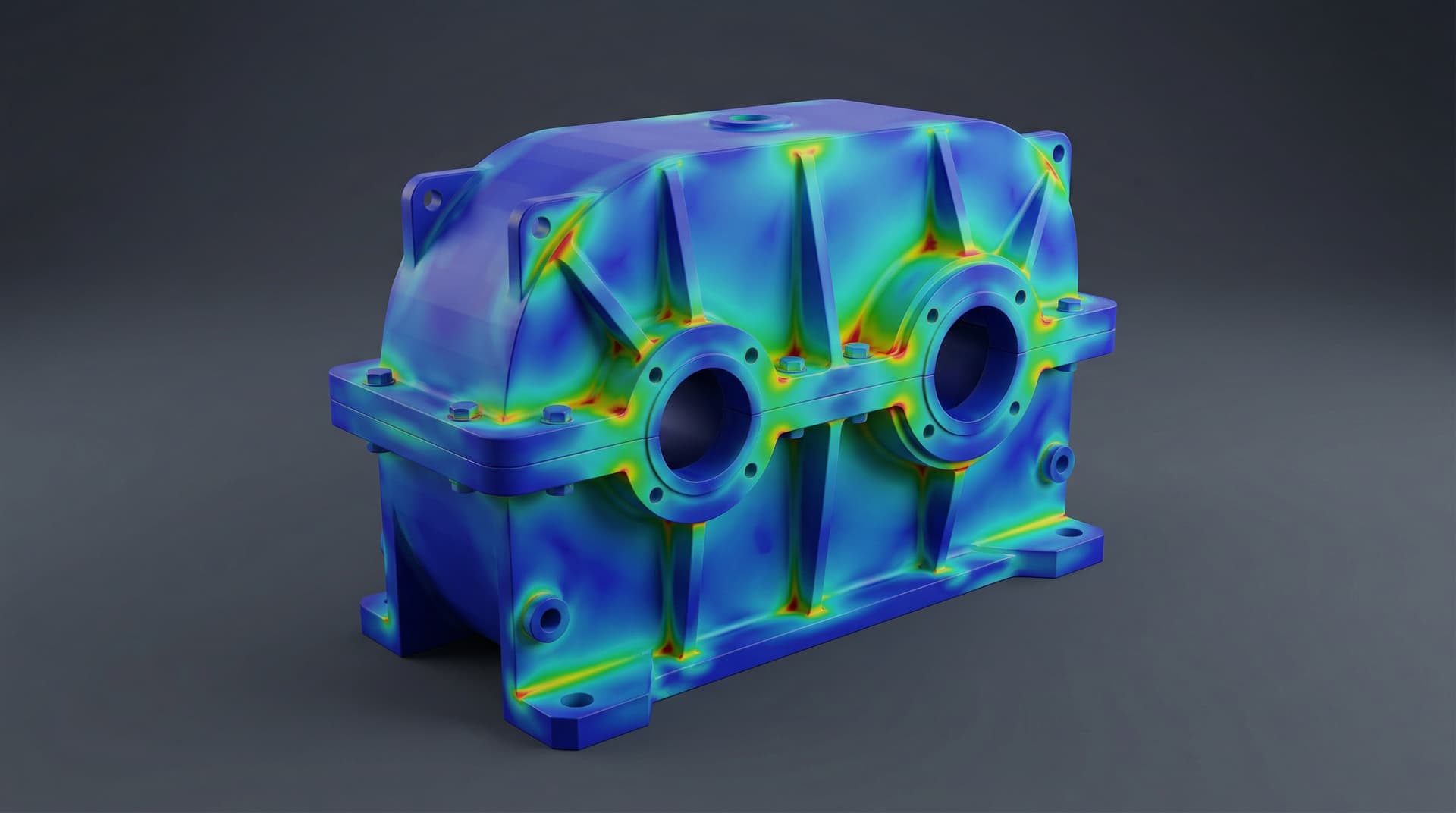
The surrogate is only as useful as its integration. Build it as a SolidWorks task-pane add-in or a FastAPI service that the CAD tool calls on every parameter change. Engineers should see the predicted stress field interactively as they drag dimensions — that's where the 100x productivity gain comes from. A surrogate behind a CLI nobody uses is just a research project.
Why Indian teams have a structural advantage on this work
ML surrogate projects are long-running, labour-heavy work — dataset curation, active-learning iteration, validation against ground truth, integration with CAD tooling. The cost structure favours teams that can sustain that kind of work at affordable rates. Indian engineering studios delivering on this — including ours — typically come in at 30-50% of US / EU pricing for comparable engineering quality.